Catch Your First Wave
I will provide the ultimate beginner-friendly guide to surfing, from essential tips to expert tutorials.

Fiberglass vs. Foam
The construction of your surfboard significantly impacts your learning curve. Here’s a simple breakdown to help you decide which material is right for your first sessions.
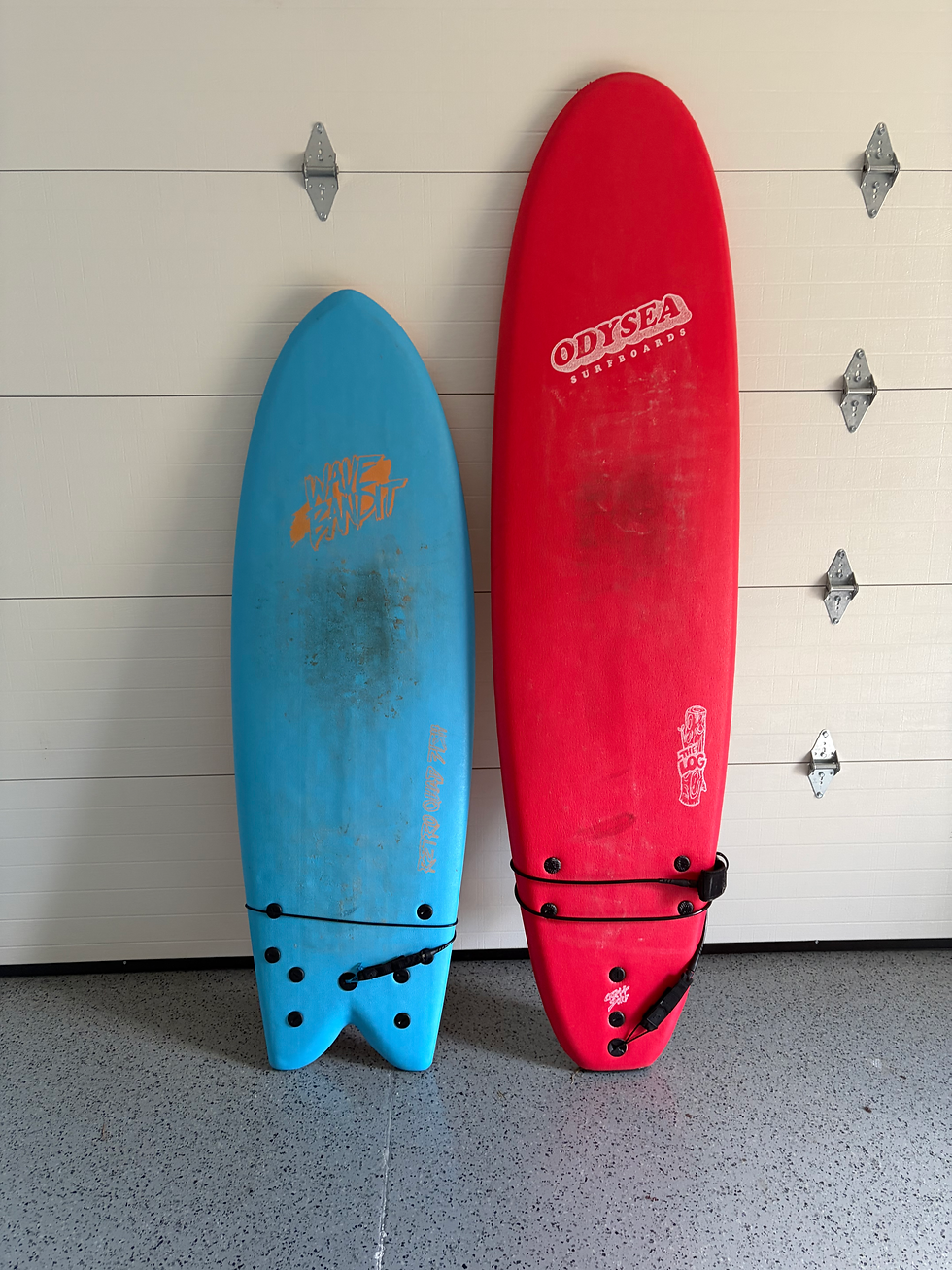
Foamies (Soft Top)
Best for: Absolute beginners and day-on-the-beach fun.
- Safety: Soft construction reduces injury risk when getting hit by the board.
- Durability: Highly impact-resistant and won't ding easily like traditional boards. Good for shore breaks and New England
- Performance: High volume makes paddling and catching small waves effortless.
- Price: Most affordable option for new surfers.

Fiberglass (Hard Top)
Best for: Surfers looking to progress their turns and ride better waves.
- Performance: Thinner rails and a rigid core allow for sharper turns and more speed.
- Safety: Hard surfaces and sharp fins require more advanced awareness and control.
- Durability: Fragile construction that requires careful handling and ding repairs.
- Price: A larger financial investment that holds value better over time.
The Surfboard Guide
Choose the right first board to maximize your wave count and speed up your progress in the water.

Shortboard
Best for: Experienced surfers looking for high-speed turns and performance.
- These boards have low volume and sharp rails which are much more favorable for bigger and more powerful waves
- The carving ability of these performance boards are unmatched
- You are able to duckdive under big waves.

Mid-Length
Best for: Intermediate surfers or beginners ready to move down from a longboard.
- Great boards for all around surfing conditions.
- Give a balance of carving ability while still providing solid volume

Longboard
Best for: Absolute beginners and those surfing small, peeling waves.
- Great volume and easy to paddle and catch waves
- Have a much more stable ride but will not allow you to turn as quickly
- You will not be able to duck dive and will have a higher chance of nose diving
Wetsuit Essentials Guide
Choosing the right wetsuit is the difference between a great session and a short, cold one. Use this simple guide to match your gear to the water temperature.

3/2 mm Spring Suit
Temp Range: 62°F - 68°F (17°C - 20°C)
Ideal for summer surfing. 3mm on the core for warmth and 2mm on the arms for maximum paddling flexibility.

4/3 mm Fullsuit
Temp Range: 54°F - 61°F (12°C - 16°C)
The 'Quiver Killer'. Perfect for Spring and Autumn sessions when the water holds a bit of a chill.

5/4 mm + Hood
Temp Range: Under 53°F (Under 11°C)
Essential for winter surfing. This thickness keeps your core warm in freezing conditions while you hunt for waves.
Essential Cold Water Accessories

Wetsuit Boots
Needed below 60°F. Protects feet from cold and improves grip. 3mm for autumn, 5mm-7mm for winter.

Surf Gloves
Needed below 55°F. Keeps finger dexterity for paddling and duck diving in cold conditions.
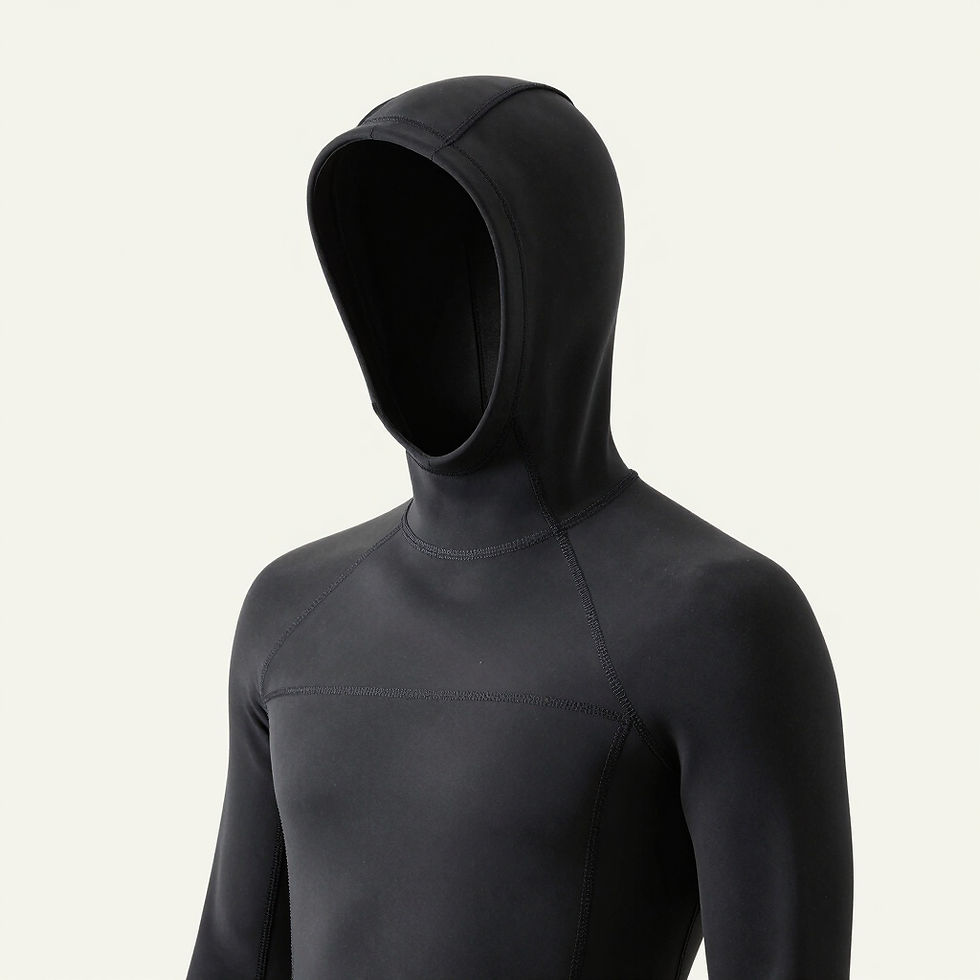
Neoprene Hood
Needed below 52°F. Prevents brain freeze and heat loss through the head in heavy winter sessions.
How to Catch a Wave
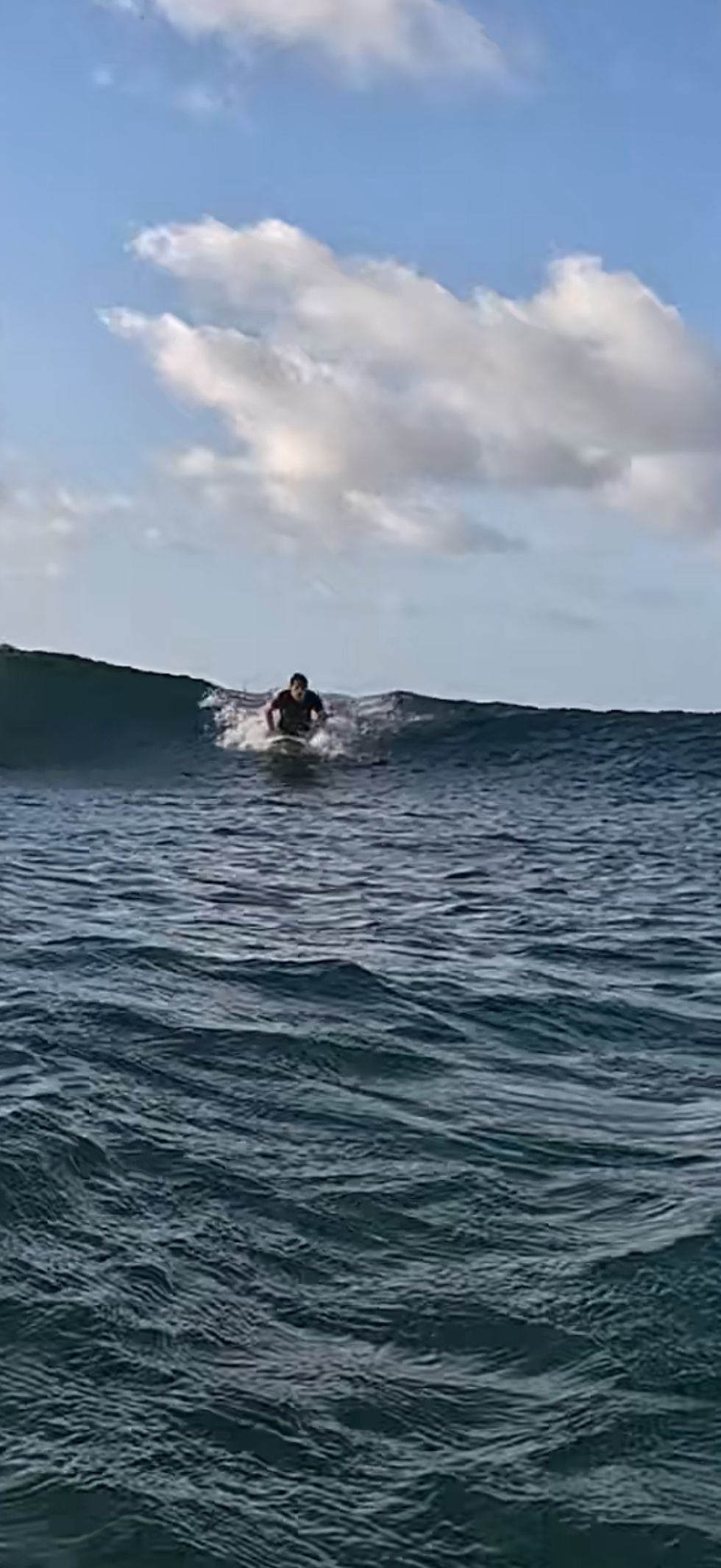
Ready to ride? Catching your first wave is all about timing, speed, and confidence. Follow these simple steps to move from paddling to standing up on your board.
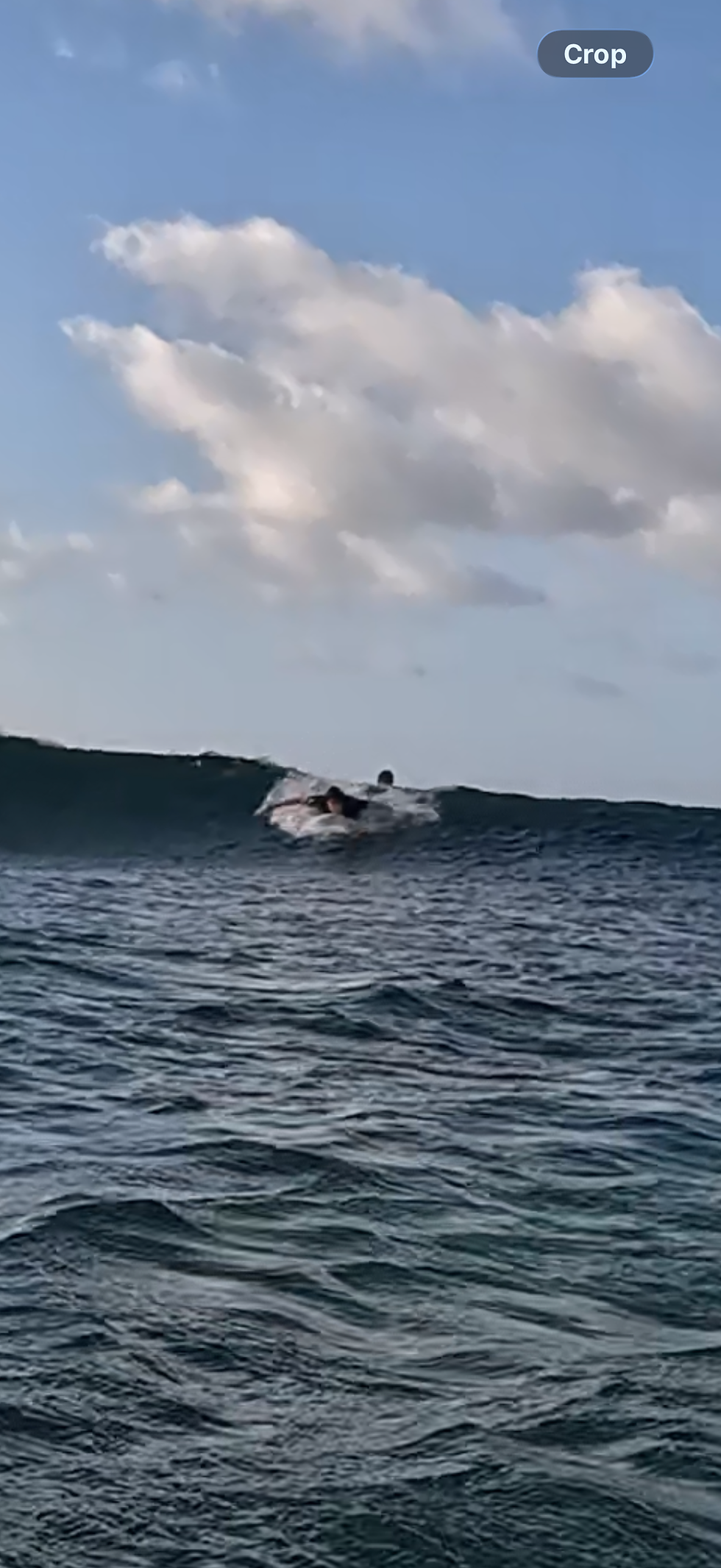
1. Match the Speed
Start paddling before the wave reaches you. Use strong, steady strokes to build momentum so that your board matches the speed of the approaching swell.
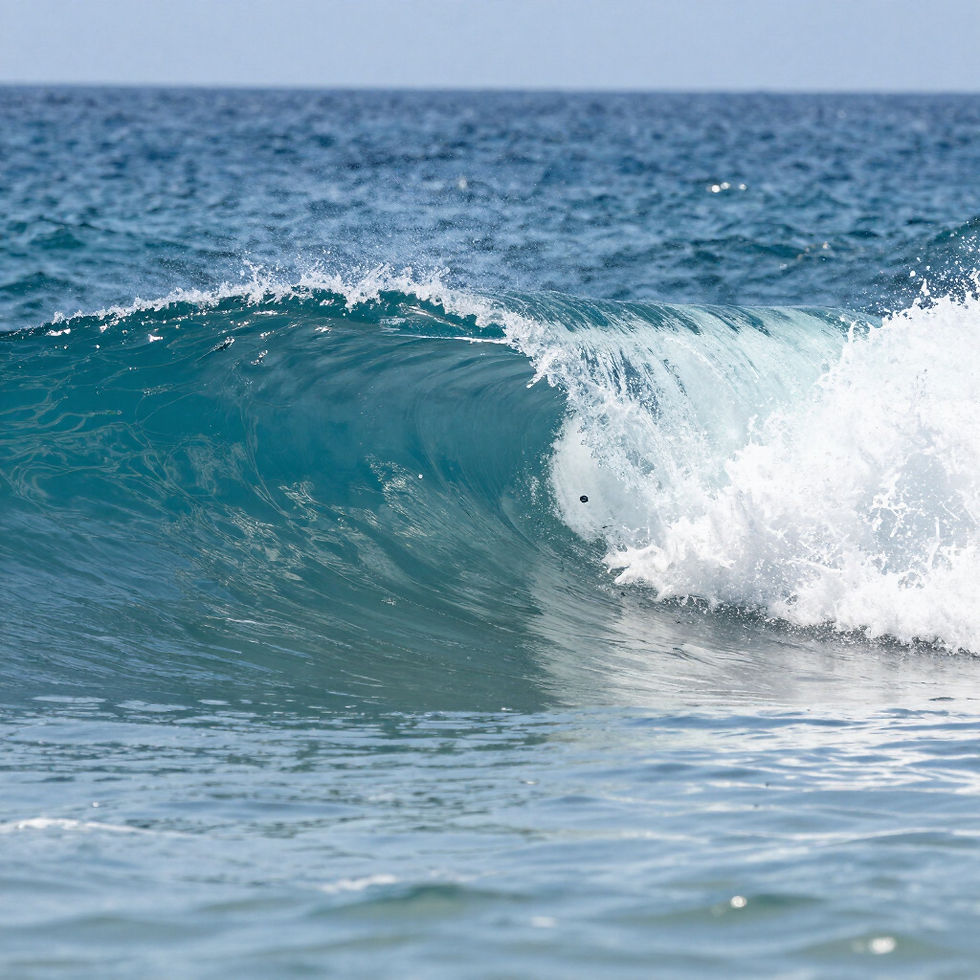
2. Find the Pocket
Position yourself near the 'peak' of the wave where it starts to break. Staying close to the pocket ensures the wave has enough power to push your board forward.
3. The Pop Up
Once you feel the board being pushed by the wave's energy, place your hands under your chest and push up in one smooth motion to get to your feet.
How to Read the Waves
Understanding the ocean is the first step to an amazing surf session. Before you jump in, take a few minutes on the sand to spot which waves are your friends and which ones you should skip.
The 'Close Out' (Avoid Group)
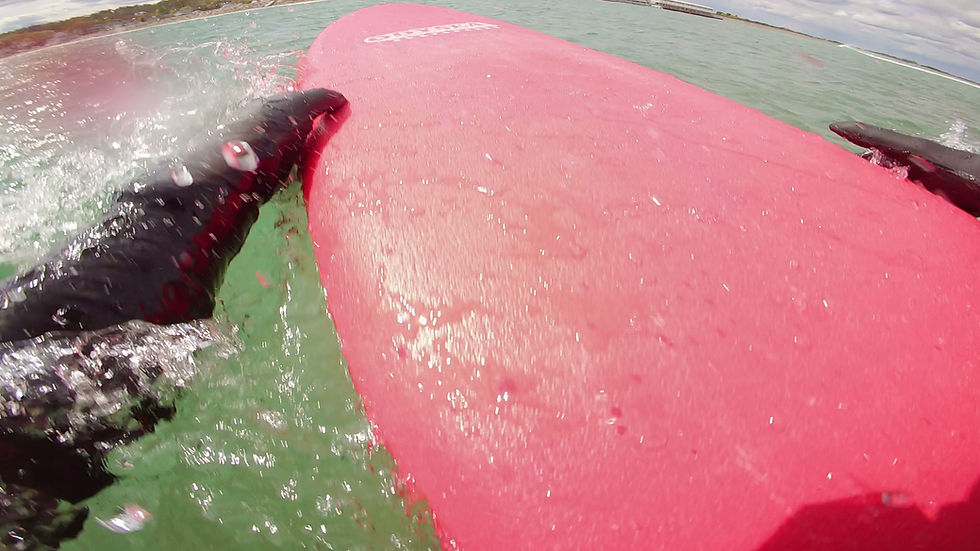
A close-out is a wave that crashes all at once in a long line. Instead of a smooth slope, the whole thing falls like a heavy curtain. For beginners, these are frustrating because there's nowhere to ride but straight into the white water, often causing a quick wipeout.

Slow Peeling Waves (The Dream)
These are the waves you want! Look for a wave that breaks slowly from one side to the other (like a zipper opening). This 'peeling' action gives you an open face to ride along, giving you more time to stand up and enjoy the glide. They are predictable, gentle, and perfect for learning.
Getting Into the Lineup (Without Getting Crushed)
These two videos show how to safely get out the back and handle oncoming waves with confidence.
Paddling Out & Over Waves
- Keep your board pointed straight into the waves.
- Paddle with strong, deep strokes to gain momentum.
- Lift your chest as you go over whitewater or small waves.
- Timing is key: wait for a 'set' to pass before a big push.
Duck Diving Under Waves
- Push the nose of your board deep under the water.
- Use your knee or foot to drive the tail down after the nose.
- Stay tight to your board as the wave passes overhead.
- Surface behind the wave and resume paddling immediately.
How to Survive the Hold Down

A "hold down" is simply that moment after a wipeout when the wave keeps you underwater for a few seconds. It might feel like being in a washing machine, but it's a natural part of surfing. Stay calm—it usually lasts much shorter than it feels.
- Protect Your Head: Fold your arms over your head to shield yourself from your board.
- Relax Your Body: Don’t fight the water; it uses up your energy. Imagine you're a piece of seaweed.
- Don't Fight the Leash: Your board is floating. Follow the leash line if you feel disoriented.
- Surface Slowly: When the bubbles stop, look up, reach out, and come up calmly to see your surroundings.
Wave Types in Action


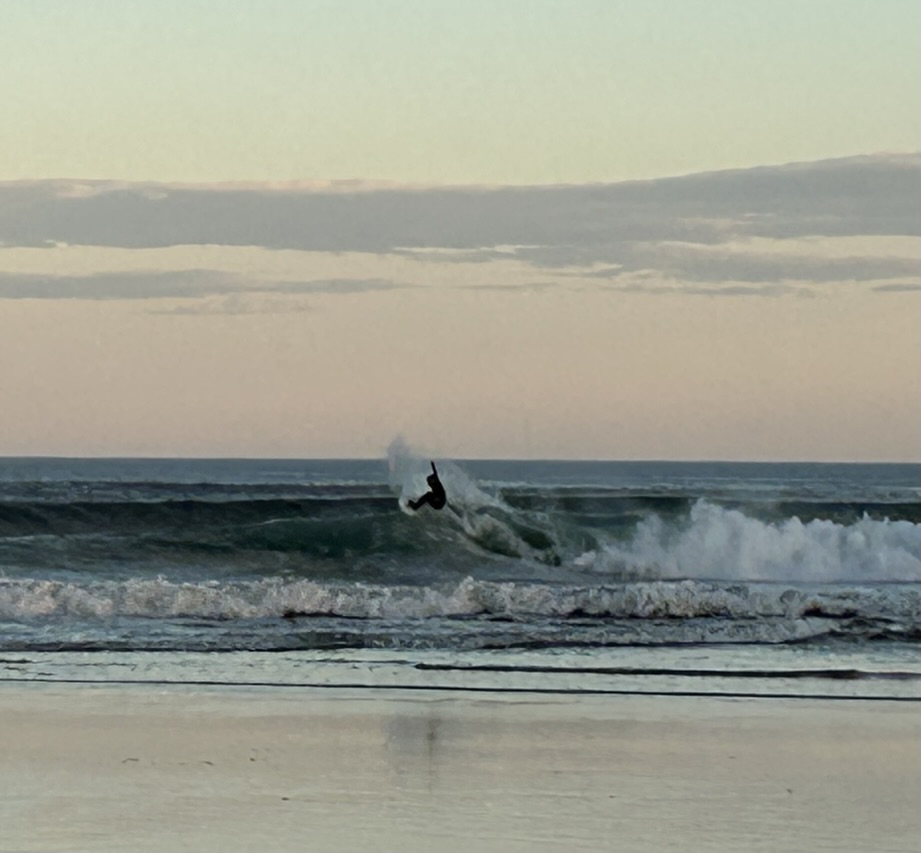
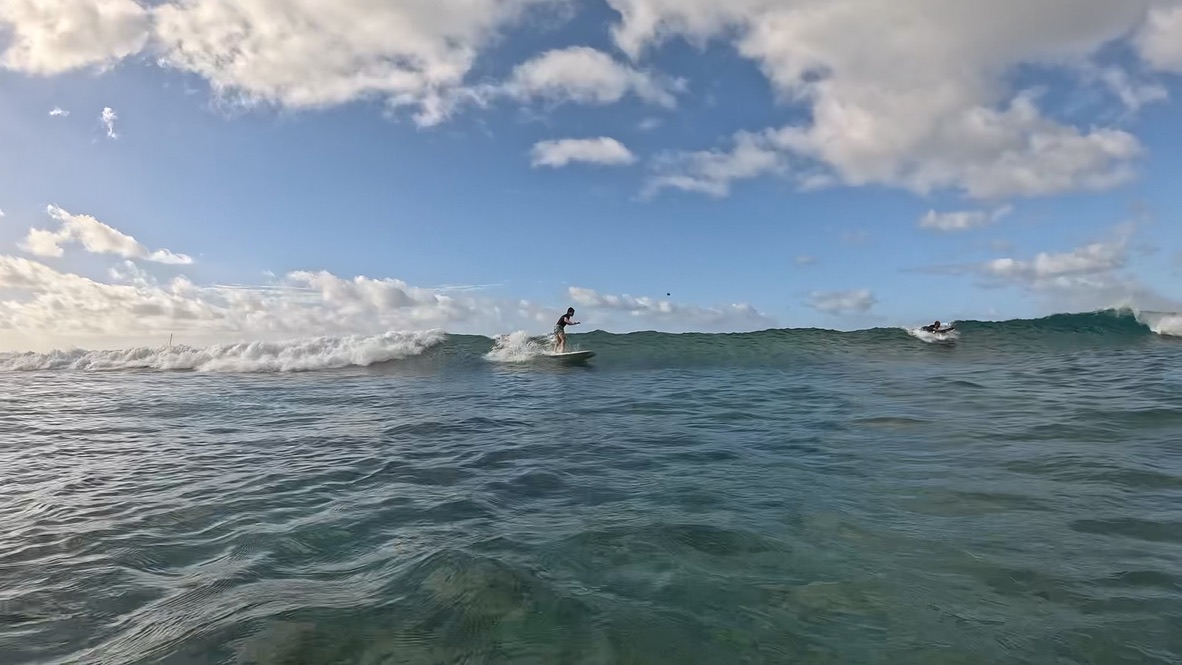
Video Highlights
Shortboard
Longboard


Surf Spots Near Us
ME
Ogunquit, York & Wells
Maine's southern coast offers beautiful sandy breaks. Ogunquit and Wells are famous for long, peeling waves, while York provides a friendly atmosphere for your very first session.

MA
Nahant & Nantasket
Massachusetts offers great entry-level spots. Nahant Beach is a well-protected local favorite near Boston, while Nantasket Beach provides long stretches of sandy shoreline perfect for learning and improving your skills.
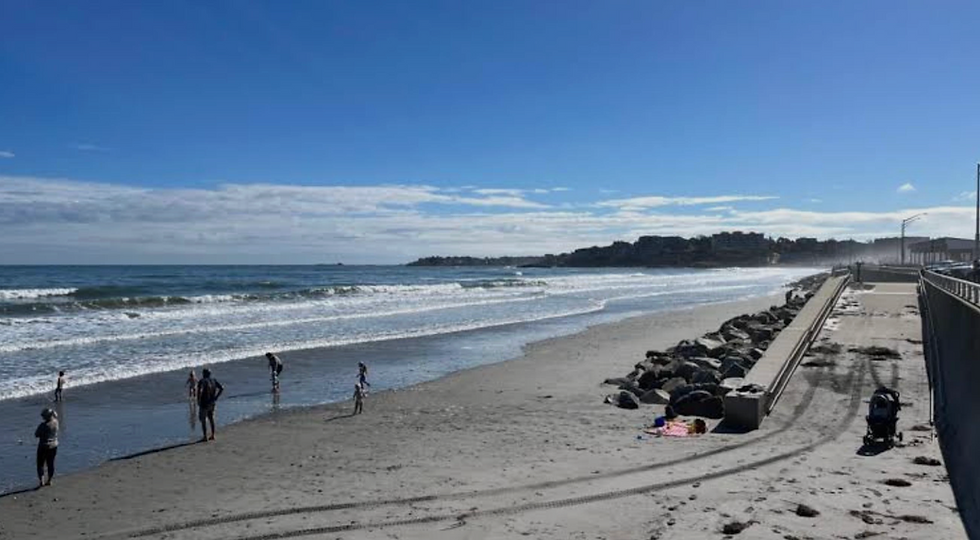
NH
Seabrook Beach
Seabrook offers a wide, sandy shore that produces consistent, soft-rolling waves. It's an excellent location to practice your popup and find your balance.


GO TRY SURFING!
People love this sport for so many reasons. For me it is a hobby that I have enjoyed since I was little. I always looked up to my uncle who was my off-campus advisor, who surfed big waves in Hawaii for many years.
Surfing is something that I love because it is a nice escape away from the world and out in the water that has adrenaline and peace all wrapped up in it. Thank you for taking the time to look at my ISP and I hope you all try to catch some waves this summer!